Best Microphone For Podcasting Beginners
Best Microphone for Podcasting Beginners: A Comprehensive Guide
Starting a podcast can be an exciting venture, but it often comes with a flurry of questions, especially about the technical side of things. One of the most critical pieces of equipment you’ll need is a good microphone. After all, clear and professional audio quality is non-negotiable if you want to captivate and grow your audience. This guide will walk you through some of the best microphone options for podcasting beginners, ensuring you make an informed decision without breaking the bank.
Understanding Your Needs as a Beginner
Before diving into the specifics of what makes a microphone great for podcasting, it’s important to understand your unique needs as a beginner. Are you podcasting solo or with a co-host? Will you be recording in a studio or at home? These factors can heavily influence your choice of microphone.
For instance, if you’re using a laptop for recording, you’ll want a microphone that’s compatible and easy to set up with your existing gear. On the other hand, if you’re working in a noisier environment, you might prioritize microphones that excel in noise cancellation.
Dynamic vs. Condenser Microphones
One of the first decisions you’ll need to make is whether to go with a dynamic or condenser microphone. Dynamic microphones are generally more durable and better suited for environments where background noise is a concern. They don’t require an external power source, making them a great choice for beginners who are still getting used to audio equipment.
Condenser microphones, however, are known for their sensitivity and ability to capture a wider range of frequencies. If you’re recording in a controlled environment, a condenser microphone can give your podcast that professional studio sound. Keep in mind, though, that you might need additional equipment like a pop filter or a mechanical keyboard to minimize unwanted sound interference.
USB vs. XLR Microphones
As a beginner, you may be wondering whether to choose a USB or XLR microphone. USB microphones are incredibly user-friendly, offering plug-and-play functionality that makes them ideal for those who are not yet familiar with audio setups. They connect directly to your computer and are often more affordable, allowing you to start podcasting with minimal hassle.
XLR microphones, on the other hand, provide superior audio quality and are the industry standard for professional setups. However, they require an audio interface or a mixer, which can add to the complexity and cost. If you envision upgrading your podcasting gear in the future, starting with an XLR microphone might be a wise investment.
Top Microphone Picks for Podcasting Beginners
Here are some top microphones to consider if you’re just starting out:
- Audio-Technica ATR2100x-USB: This versatile microphone offers both USB and XLR connections, making it a perfect choice for beginners who want room to grow. It’s durable and provides excellent sound quality, even in less than ideal recording environments.
- Blue Yeti USB Microphone: Known for its ease of use and excellent sound quality, the Blue Yeti is a popular choice among podcasters. It offers multiple pickup patterns, giving you flexibility whether you’re recording solo or with guests.
- Rode NT-USB Mini: Compact and affordable, this USB microphone is perfect for home studios. It delivers clear audio quality and is simple to set up, making it an excellent choice for beginners.
Additional Equipment to Enhance Your Podcasting Experience
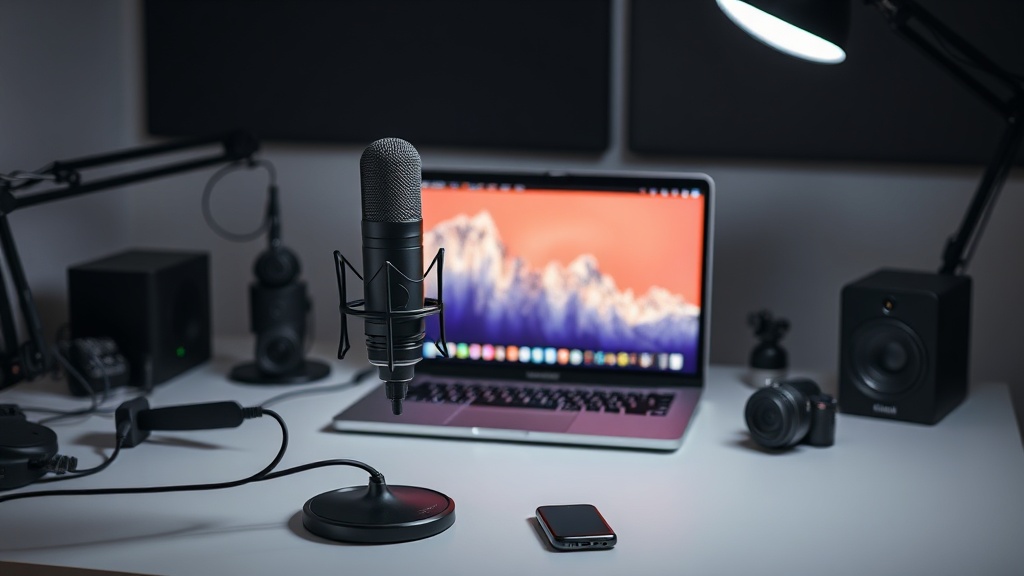
While a microphone is your primary concern, there are other pieces of equipment that can significantly enhance your podcasting experience. Investing in a quality pair of headphones, a pop filter, and a boom arm can greatly improve your setup.
Additionally, consider the computing power you’ll need to edit and store your podcast episodes. A reliable gaming laptop with a fast SSD can handle demanding audio editing software with ease. Don’t forget to secure your data with a reliable external SSD for backups.
Ensuring Quality Sound with the Right Environment
Your recording environment plays a crucial role in the quality of your podcast. Even the best microphone can’t compensate for poor acoustics. Try to record in a quiet space, free from echo and background noise. If necessary, consider soundproofing your recording area with foam panels or heavy curtains.
Using a quality monitor or speakers can also help you fine-tune your audio during the editing process. A good 4K monitor can provide the clarity you need to see every detail of your audio waveform.
Invest in Reliable Software and Services
While hardware is important, software plays a crucial role in the success of your podcast. Choose a reliable digital audio workstation (DAW) that suits your needs. Whether you’re using free software like Audacity or investing in a professional suite, ensure it meets your editing requirements.
Additionally, consider investing in a good web hosting service to distribute your podcast. A reliable hosting provider ensures your episodes are easily accessible to your audience without any downtime.
Conclusion
Choosing the best microphone for podcasting beginners doesn’t have to be overwhelming. By understanding your needs and considering factors like microphone type, connection style, and additional equipment, you can make an informed decision that sets the foundation for a successful podcast. Remember, while having the right equipment is essential, your content and passion are what will truly resonate with your audience. Happy podcasting!